
Full 25-point door and opener safety check with every visit - springs, cables, rollers, tracks, and your LiftMaster or Chamberlain opener included
You get a price before we start. It does not change when the truck arrives.
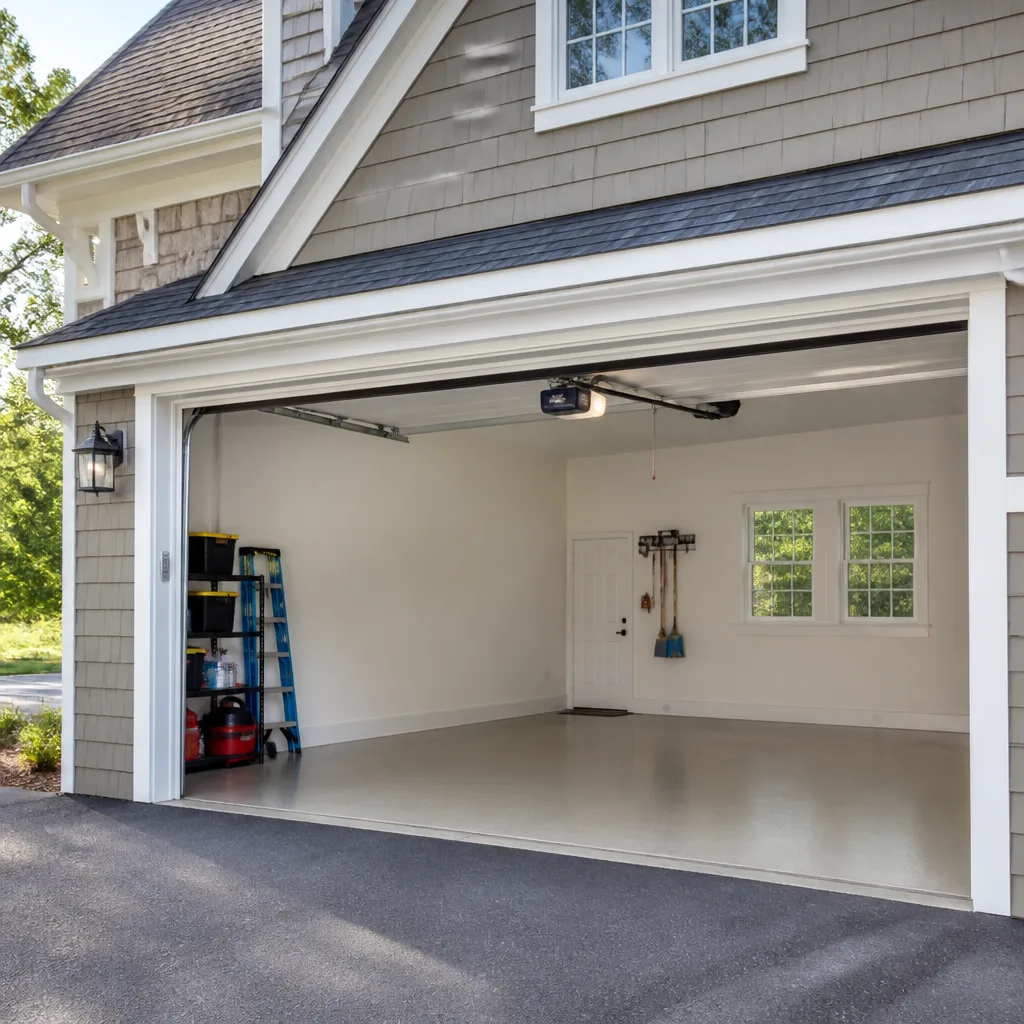
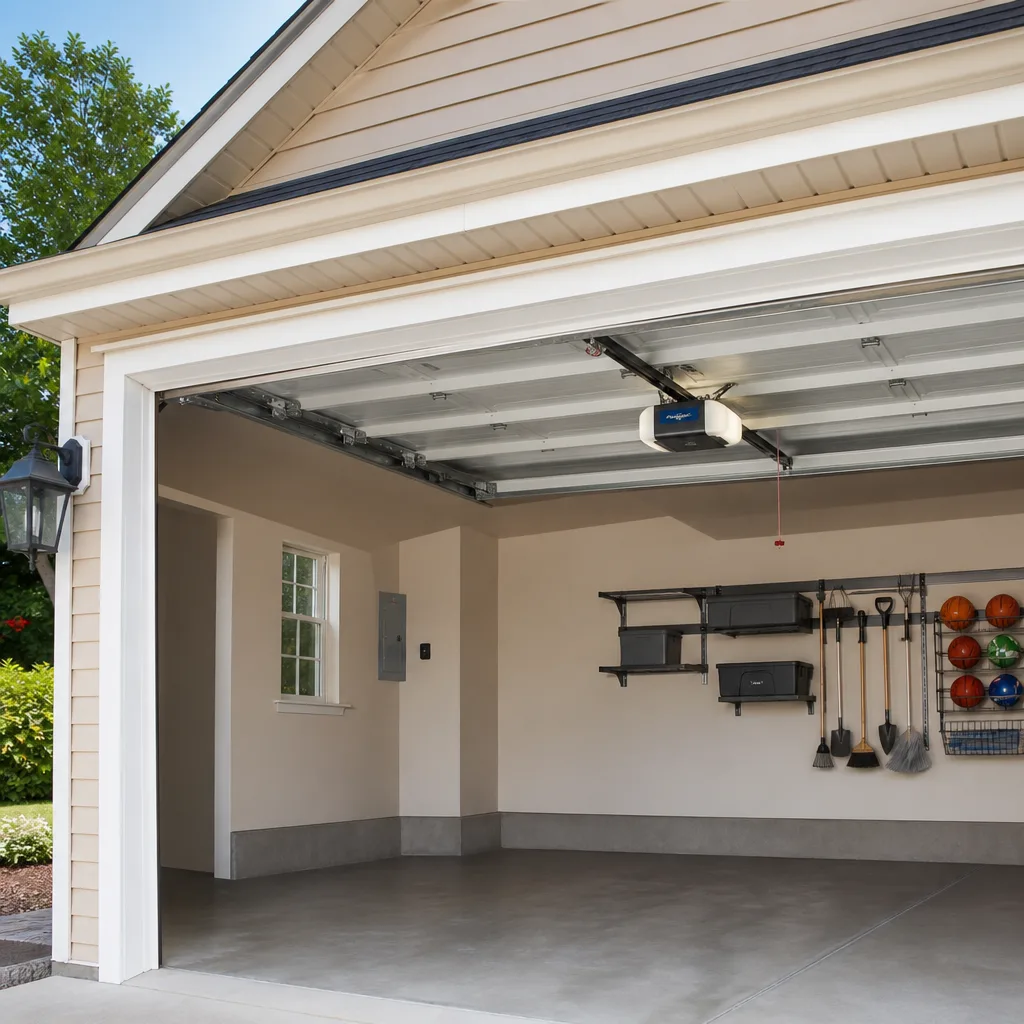
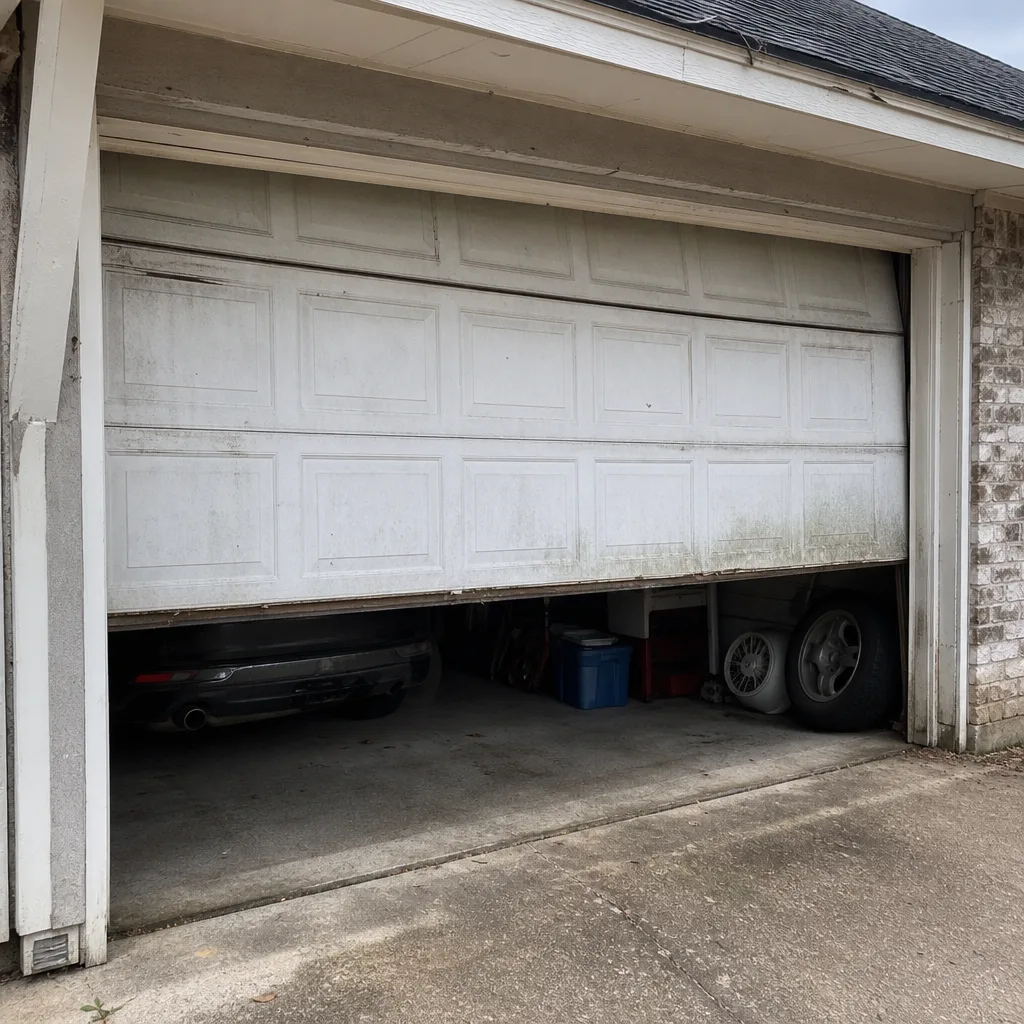 Before
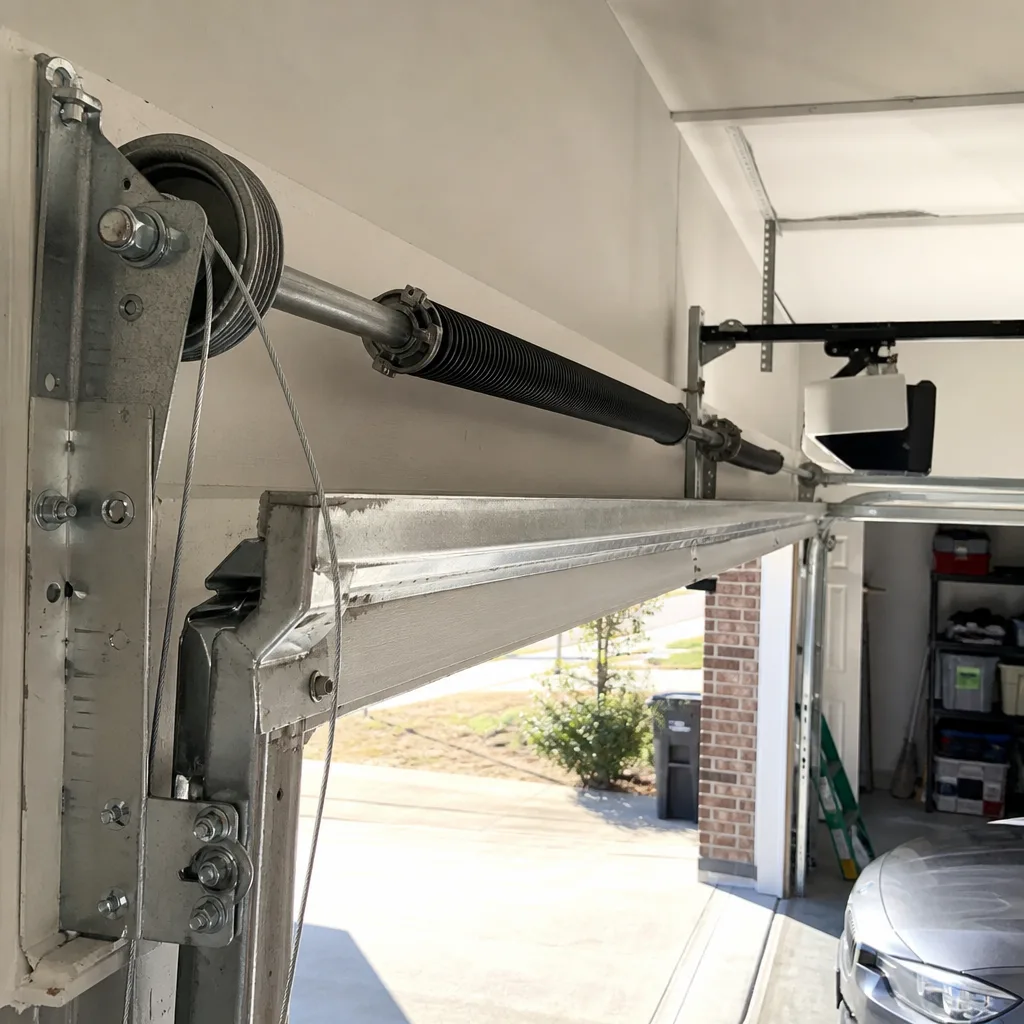 After
After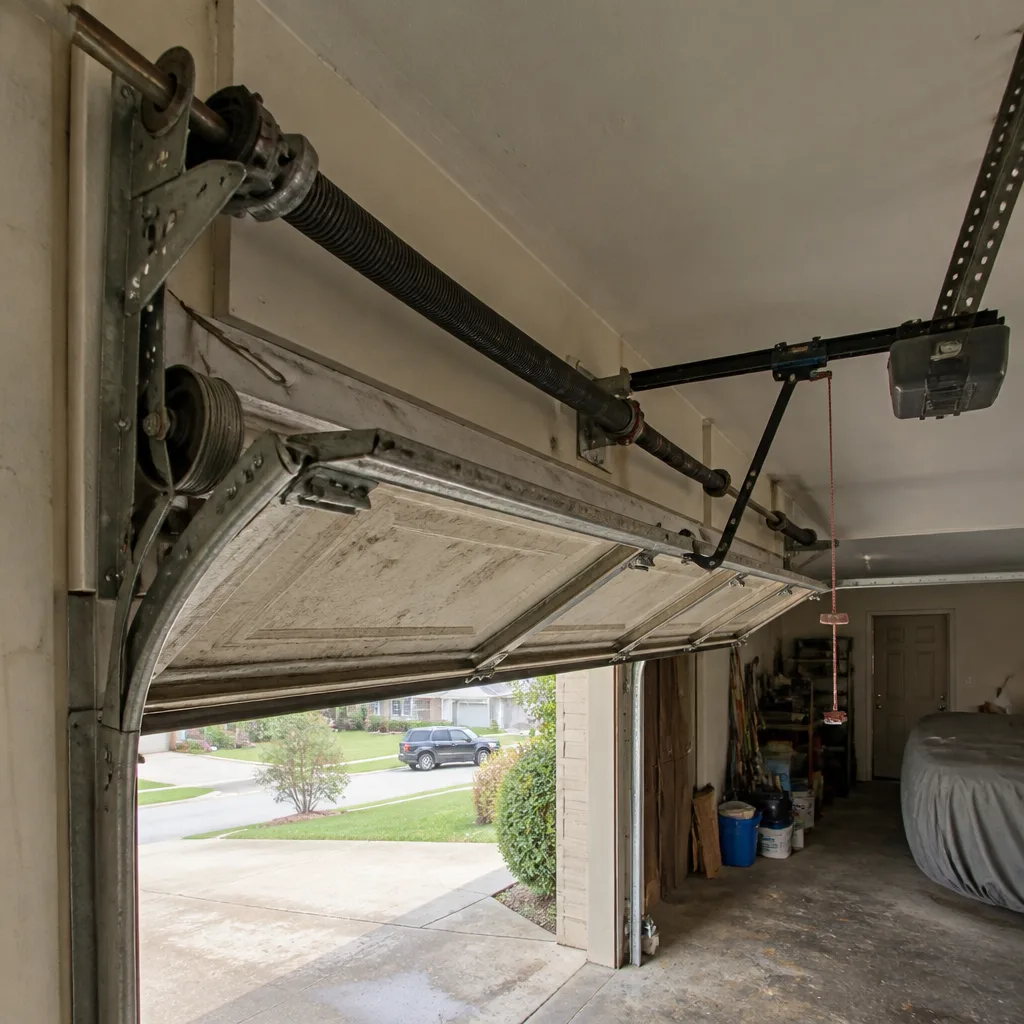 Before
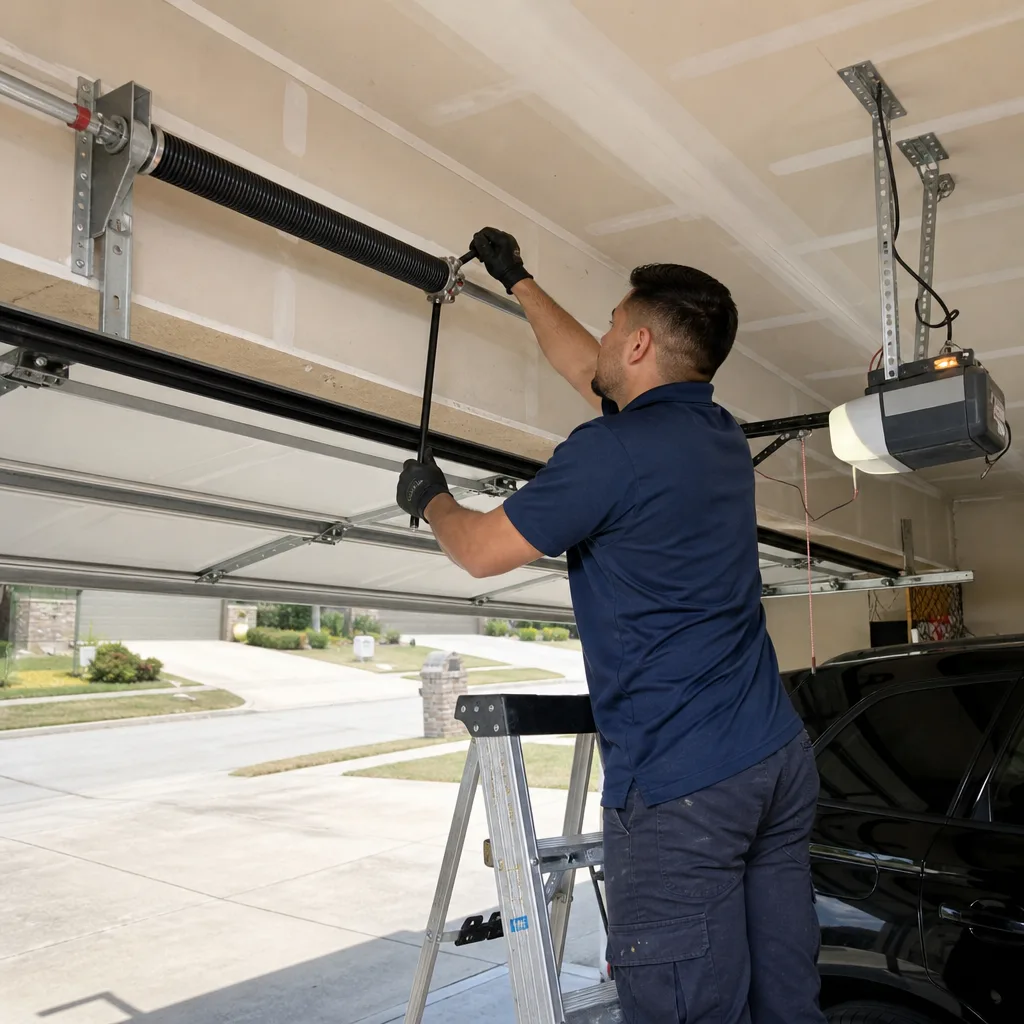 After
After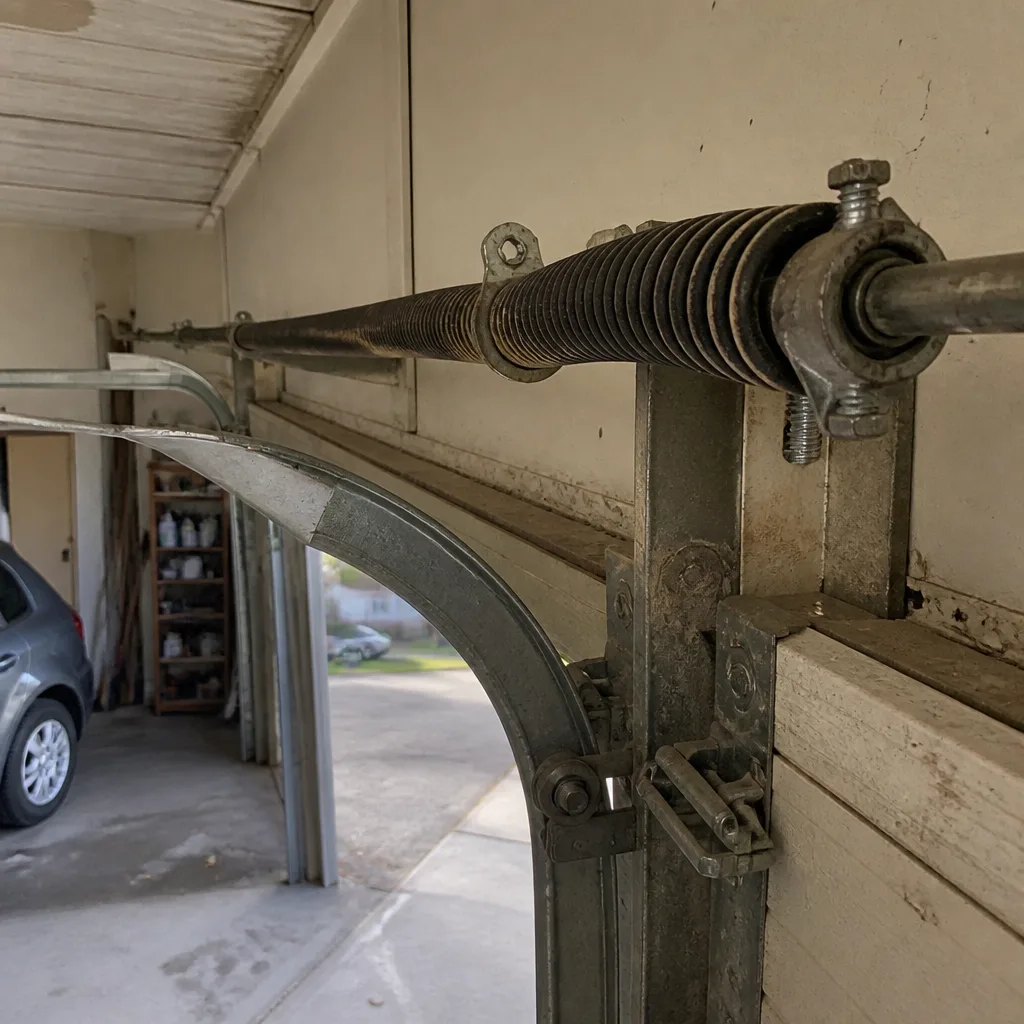 Before
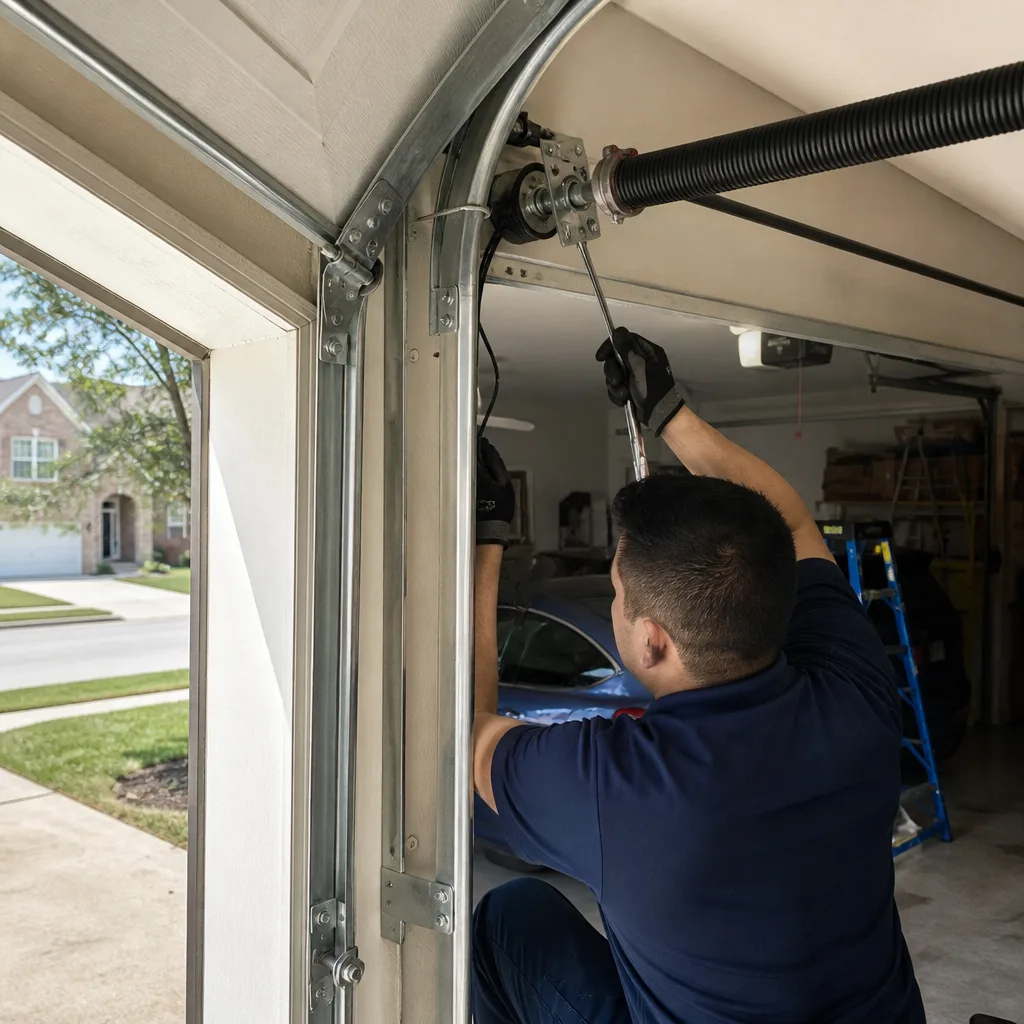 After
AfterRaynor Weather Seal Replacement: The Stafford Owner’s Guide
Raynor weather seal replacement in Stafford typically runs $150-$300 installed, depending on door width and whether the retainer track also needs swapping. We stock Raynor-compatible seals for the common 9-foot and 16-foot residential widths on every truck, and most replacements are done in under an hour. Same-day service is available when you call before 2 p.m.
Most Stafford homeowners figure out their weather seal is shot the same way: they step into the garage after a hard rain and find a line of water along the door bottom, or they notice the AC running longer in July because hot, humid Gulf air is pushing straight through the gap. The seal sits in a narrow aluminum or PVC retainer at the bottom of the door, compressed against the concrete, and after four to six years of Texas sun and freeze-thaw cycles, the rubber or vinyl hardens, cracks, or pulls free from its track.
Which Raynor Models This Applies To
Raynor has used three main weather seal profiles across its residential lines, and getting the wrong one means a gap that still leaks or a seal that won’t seat in the retainer. The Raynor Admiral II and BuildMark series from roughly 2012-2019 used a 1/4-inch T-end bulb seal in a single-channel retainer. The Prodigy insulated steel doors and newer Admiral III units switched to a wider 3/16-inch T with a dual-bulb design that compresses more evenly on uneven concrete. The Raynor Aspen and Centura wood-overlay lines sometimes shipped with a proprietary P-bulb seal that slides into a C-shaped retainer, not a T-track at all.
To identify yours, look for the Raynor model sticker on the interior side of the top section, usually a white or silver label with a 6-10 digit code starting with the series prefix. Then measure the retainer width and the seal’s T-leg or bulb diameter with a tape measure, not a guess. We carry both OEM Raynor seals and quality aftermarket equivalents from Clopay and Amarr that match the spec exactly, often at a lower parts cost with the same compression rating. The Haven Standard, Clause 1, requires we quote both options in writing before any work starts, so you see the difference in dollars and warranty terms upfront.
Servo Garage Doors Stafford is an independent service provider and is not affiliated with Raynor. We service the brand because we stock the parts and know the fitment.
Signs Your Raynor Weather Seal Replacement Is Failing
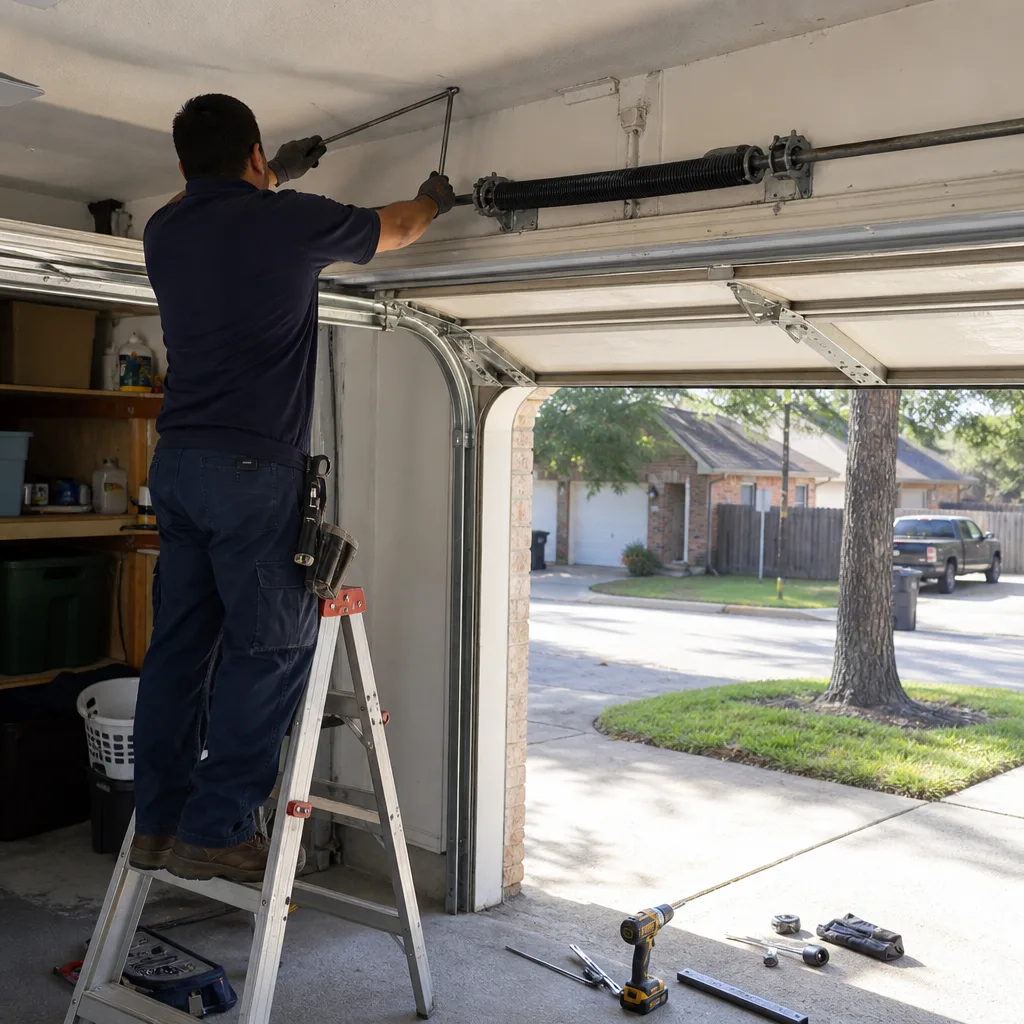
- Water intrusion after rain or sprinkler run-off. The seal’s primary job is to create a continuous compression barrier against the concrete slab. Once the rubber develops longitudinal cracks or the bulb flattens permanently, water follows the path of least resistance straight into the garage. In Stafford’s clay-heavy soils, that water can wick toward stored items or the door’s bottom fixture hardware.
- Visible daylight under the door when closed. A properly seated seal should block all light. If you see a bright line from inside with the overhead off, the bulb has either shrunk from UV exposure or the retainer has bent away from the door section, creating a gap even a new seal won’t close.
- Increasing garage temperature in summer or cold drafts in January. The weather seal is part of the thermal envelope. When it fails, your garage becomes an unconditioned buffer zone, and if you have living space above or adjacent, the HVAC load increases measurably. We’ve measured 8-12 degree swings on infrared cameras at failed seals.
- Pest activity near the door threshold. Crickets, ants, and the occasional field mouse use seal gaps as entry points. The seal doesn’t need to be fully detached; a 3/16-inch gap is enough for most insects, and a curled corner invites rodents especially after the first freeze.
- The seal drags, bunches, or pulls free when the door operates. This usually means the T-end has torn inside the retainer track or the retainer itself has separated from the door section. Operating the door in this condition risks the seal catching on the track or jamming the bottom rollers.
 Before
 After
AfterReplacement Cost & What’s Included
| Service | Price Range |
|---|---|
| Raynor weather seal replacement (standard 9 ft.) | $150-$220 |
| Raynor weather seal replacement (standard 16 ft.) | $190-$300 |
| Retainer track replacement (if bent or corroded) | $40-$80 additional |
| Bottom fixture/hardware inspection & adjustment | Included |
The range depends on three factors: door width, seal type (single bulb vs. dual bulb vs. P-bulb), and whether the aluminum retainer track is still square and securely fastened. Rusted or impact-bent retainers get replaced, not patched. Every quote is flat, written, and agreed before we touch the door, per Clause 1 of The Haven Standard. The seal itself carries a one-year material defect warranty, and our 365-Day Done Right Promise covers the installation workmanship. You’ll receive a documented photo record showing the old seal’s condition, the retainer measurement, and the installed replacement, timestamped and delivered by text or email before we leave.
DIY or Call Us?
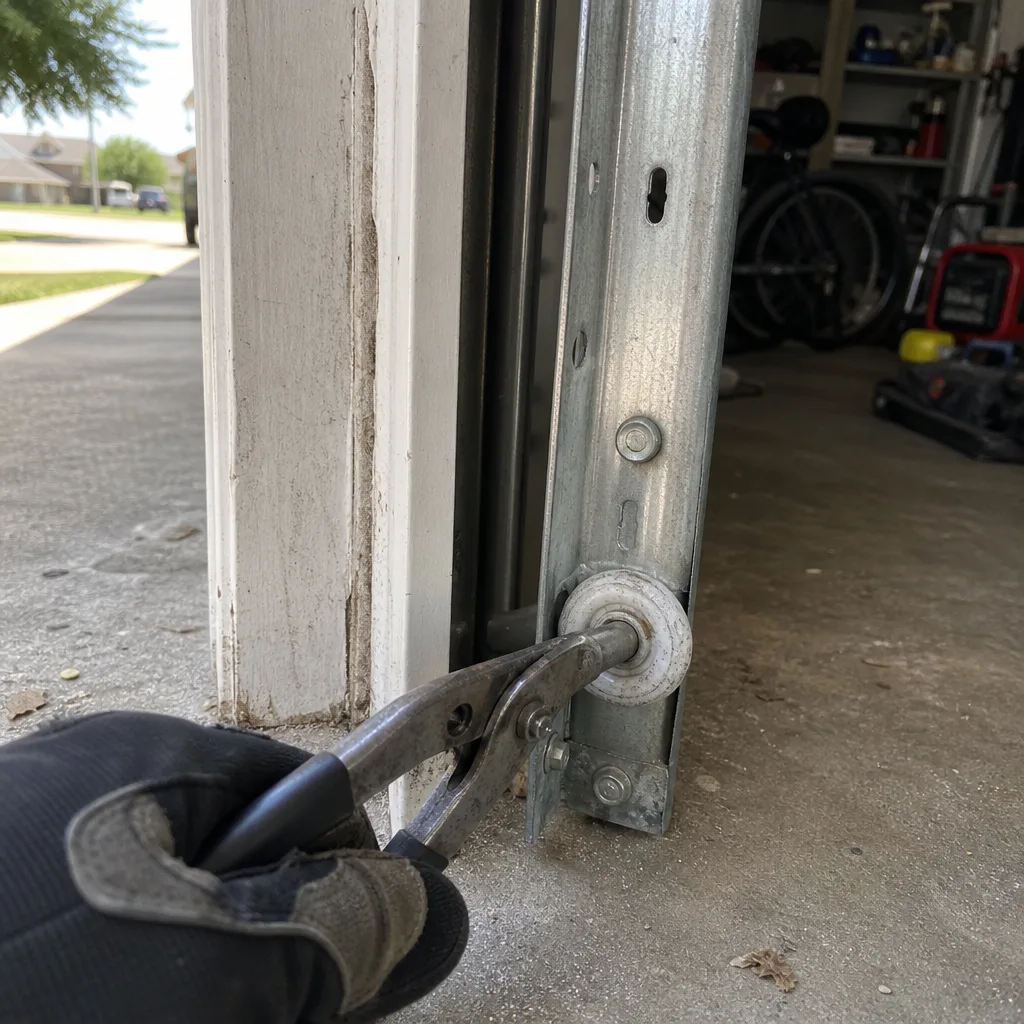
Weather seal replacement is one of the safer garage door repairs a homeowner can attempt, which is why we don’t exaggerate the risk. The door stays closed during the work, and there’s no spring tension involved. Where DIY goes wrong is usually in measurement: buying a 16-foot seal for a 15-foot-6-inch door, or forcing a 3/16-inch T-end into a 1/4-inch retainer and tearing the leg. The other common mistake is ignoring a bent retainer, which chews up the new seal in weeks.
What we check that most homeowners don’t: the bottom section’s structural integrity, whether the retainer is fastened with the correct length screws (too long hits the internal insulation), and whether the door’s closing force needs adjustment after the new seal adds compression resistance. If you’re in Stafford and want to handle the swap yourself, we’ll sell you the correct seal by the foot and tell you the part number to match. If you’d rather have it done with a written price and a photo record, call (346) 421-5125. Name the part, quote the number, then get to work.
FAQs
In the Houston metro climate, four to six years is typical for standard vinyl seals, and six to eight for EPDM rubber or thermoplastic elastomer upgrades. The combination of intense summer UV, high humidity, and occasional hard freezes accelerates hardening and cracking compared to milder climates. Call (346) 421-5125 and we’ll note your seal type and install date for a replacement reminder.
No. Once the bulb is cracked, the T-end is torn, or the material has hardened, the seal cannot be restored to factory compression specs. Temporary fixes like adhesive-backed foam or caulk fail within weeks and trap moisture against the door bottom. Replacement is the only reliable solution.
Most Raynor weather seal replacements take 30 to 60 minutes, including retainer inspection and door closing-force adjustment. If the retainer track also needs replacement, add 15 to 25 minutes. We carry all common sizes on the truck, so there’s no return trip.
Yes. We stock T-end bulb seals in 1/4-inch and 3/16-inch profiles, dual-bulb designs, and P-bulb equivalents for the Aspen and Centura lines, in 9-foot, 16-foot, and 18-foot lengths. If your Raynor model uses an uncommon profile, we’ll source it within 24 hours and quote the job in writing before ordering.
Written by Marcus Deller, Owner, Servo Garage Doors Stafford at Servo Garage Doors Stafford, serving Stafford and nearby areas.